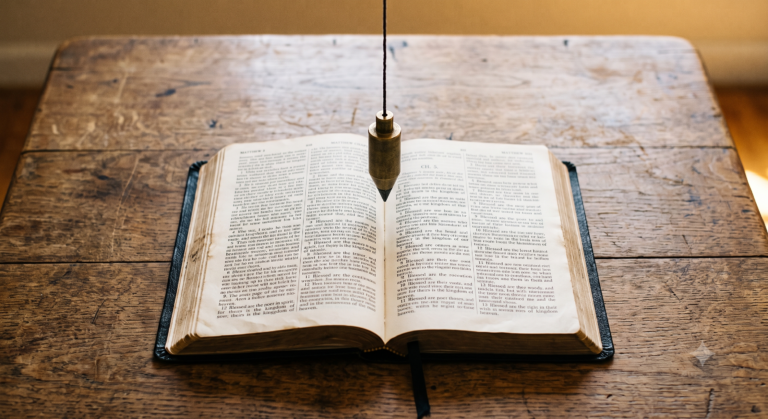
"I am the way and the truth and the life. No one comes to the father except through me." [John 14:6]
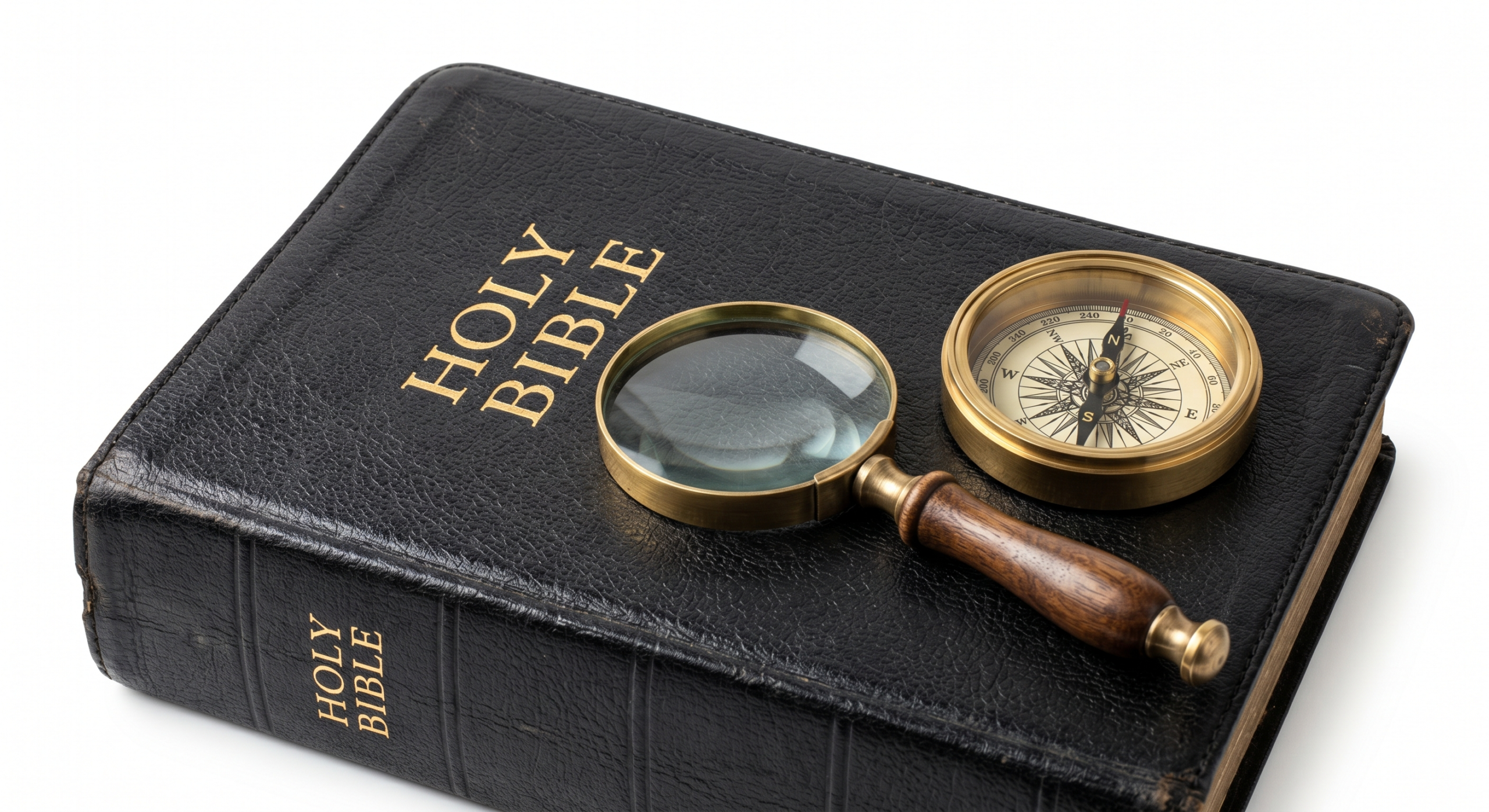
Understanding Discernment
This is a companion post to: Unlock Biblical Discernment: Stop Believing Lies – Live God’s Truth
The most basic definition of discernment is the attempt to detect whether something is true or false, or good or bad. The dictionary says it is the practice of looking past surface appearances to accurately judge the true nature, quality, or intent of something before making a decision.
If we look at the definition of wisdom, we see it is the basis of discernment. Wisdom is the ability to make sound judgments and decisions by applying accumulated knowledge, experience, and insight.
Without biblically trained discernment, an individual is limited to personal experience or advice from others. Sometimes, this may be fine, but in other cases, it may be unreliable because they may lack the depth needed to see potential pitfalls.
A very popular piece of cultural wisdom floating around these days is “follow your heart.” It can sound warm and uplifting. It also suggests self-love and empowerment. You deserve to be happy, so follow your heart, right? Let’s look at what the Bible says:
One who trusts in his own heart is a fool, But one who walks wisely will flee to safety. Proverbs 28:26 (NASB)
That seems to be the direct opposite of cultural thought. So the question is, which is reliable: cultural wisdom or biblical wisdom? You won’t need to look around very much to find people whose choice to follow their heart has led them into dysfunctional and even abusive relationships. We also see it damaging finances, careers, families, and health. When things go poorly, it often leads to depression, which encourages poor coping strategies like alcohol and substance abuse. It might be safe to follow your heart when choosing the red shirt over the green one, but for life guidance, it is known to lead to ruin.
In my experience, biblically trained discernment is not a normal topic in church settings. I think this is because it requires a considerable amount of effort to cultivate, and many US churches try to keep things easy so seats are filled. Unfortunately, this also keeps them immature and vulnerable.
Guidance Without God
Have you ever tried to walk a straight line across a large, open field while blindfolded? If you are pointed directly north before the blindfold is put on, your first few steps will likely be on target. But without an ongoing, external point of reference to correct your course, your internal senses will deceive you. The people who have studied this report that you are likely to end up endlessly walking in circles less than sixty-five feet wide while convinced you are moving forward.
What seems right may even look right at first. You may spend years going down a path that is only taking you off course a small amount before you realize you are heading to an undesirable place. A very common example of this is working long, hard hours to be successful and financially well-off while sacrificing health and relationships.
That is why personal and cultural wisdom is so dangerous the lies rarely look evil or foolish. On the surface, they seem to appeal to common sense, and they are believed by so many people. There is a confidence a person gets when they are among a large group believing the same thing.
For someone who wants to follow Christ, lies can often look like truth, especially when built upon Scripture that has been twisted or taken out of context. Without biblical discernment, it is easy to make a harmful choice while being totally convinced it is the right one.
Not every false teacher is an obvious con man. Some stand up in front of congregations every Sunday morning and mix lies with truth while honestly believing that all they say is true.
The Bible summarizes it this way in Ephesians 4:14, warning that we should “no longer be children, tossed to and fro and carried about with every wind of doctrine, by the trickery of men, in the cunning craftiness of deceitful plotting.”
What Biblical Discernment Looks Like in Practice
In daily life, biblical discernment operates like an internal referee, in which Scripture is used to throw flags at things that are not right and confirm things that are. It is not a vague feeling of unease or a subjective opinion; rather, it functions through the deliberate recall of established truth.
When a trained biblical discerner hears a teaching, a piece of counsel, or a philosophical claim, their mind does not process it in a vacuum. Instead, they attempt to align the statement or suggestion with biblical principles. The more training you undergo, the more likely the Scripture will come to mind immediately that either directly refutes or confirms what has been said.
- When confirming truth: A discerning mind recognizes the alignment between the speaker’s words and the character and commands of God, recalling supporting doctrines to validate the statement.
- When refuting error: Even when a false claim is wrapped in persuasive or emotional language, a trained discerner instantly spots the logical or theological gap because a specific biblical text rises up to expose the contradiction.
- When researching: Knowing the difference is not always immediate. However, this is another area in which a mature discerner will excel because they are competent in their use of the Bible (a meat-eater: Hebrews 5:12-13) and open to the help of the Holy Spirit.
The mature believer does not want to rely on anything but Scripture to guide themselves or others. They actively avoid prideful thoughts that encourage self-reliance and selfish outcomes. They would never sing Sinatra’s song, “I did it my way.”
A Discerning Mind Is Never Off Duty
Discernment requires an active, diligent evaluation of what is presented rather than blind acceptance. This means you need to be in discernment mode all of your waking hours. This includes when you hear a normally trustworthy source. The easiest lie to get past you is one that sounds very true and comes from someone you trust who is, perhaps, unknowingly trying to give it to you.
- 1 Thessalonians 5:21: “Test all things; hold fast what is good.”
- 1 John 4:1: “Beloved, do not believe every spirit, but test the spirits, whether they are of God; because many false prophets have gone out into the world.”
- Acts 17:11: “These were more fair-minded than those in Thessalonica, in that they received the word with all readiness, and searched the Scriptures daily to find out whether these things were so.”
Building Biblical Discernment
Building discernment requires active, systematic engagement with the Bible rather than passive reading. Passive consumption treating the text as a checklist item or relying solely on second-hand summaries like sermons and commentaries leaves a person unequipped to apply truth to complex scenarios. Discernment demands intentional Spirit-led study to understand context, doctrine, and the complete counsel of God.
As noted in Hebrews 5:14, discernment comes to those who ‘by reason of use have their senses exercised.’ The phrase ‘exercised’ implies continuous, disciplined training. This active discipline transforms reading into a habit of cross-referencing ideas, testing claims, and deeply absorbing the text.
Building biblical discernment is a gift to yourself and to anyone who wants advice that is biblically sound. It will take work, but I find the more I study the Bible, the more amazing It becomes. Hopefully, it won’t be long before you have a Psalm 119 mindset, and the work becomes a blessing and a joy.
Other posts to help:
Protecting Yourself From Improper Teaching and Preaching
Deepening Your Bible Relationship: The Next-Day Journaling Method
Protecting Your Peace from Harmful Thoughts and Feelings
Getting More Out of Your Bible Study
Who is Your Closest False Teacher: It Might Surprise You
Scripture used or considered in the writing of “Understanding Discernment” By RD Montgomery. All Scripture is in ESV Format unless otherwise specified.
- Deuteronomy 6:16
- Psalm 91:11-12
- Psalm 119
- Proverbs 1:5
- Proverbs 2:10-12
- Proverbs 3:21-22
- Proverbs 10:13
- Proverbs 14:12
- Proverbs 14:15
- Proverbs 28:26
- Jeremiah 17:9
- Hosea 14:9
- Matthew 4:5-7
- Mark 7:21–23
- Acts 17:11
- Romans 12:2
- 2 Corinthians 10:5
- 2 Corinthians 11:14
- Ephesians 4:14
- Philippians 1:9-10
- Philippians 4:8
- 1 Thessalonians 5:21
- Hebrews 5:12-14
- 1 John 4:1
#WalkintheTruth #BiblicalDiscernment #ScripturalWisdom #RenewYourMind #TestedbyTruth